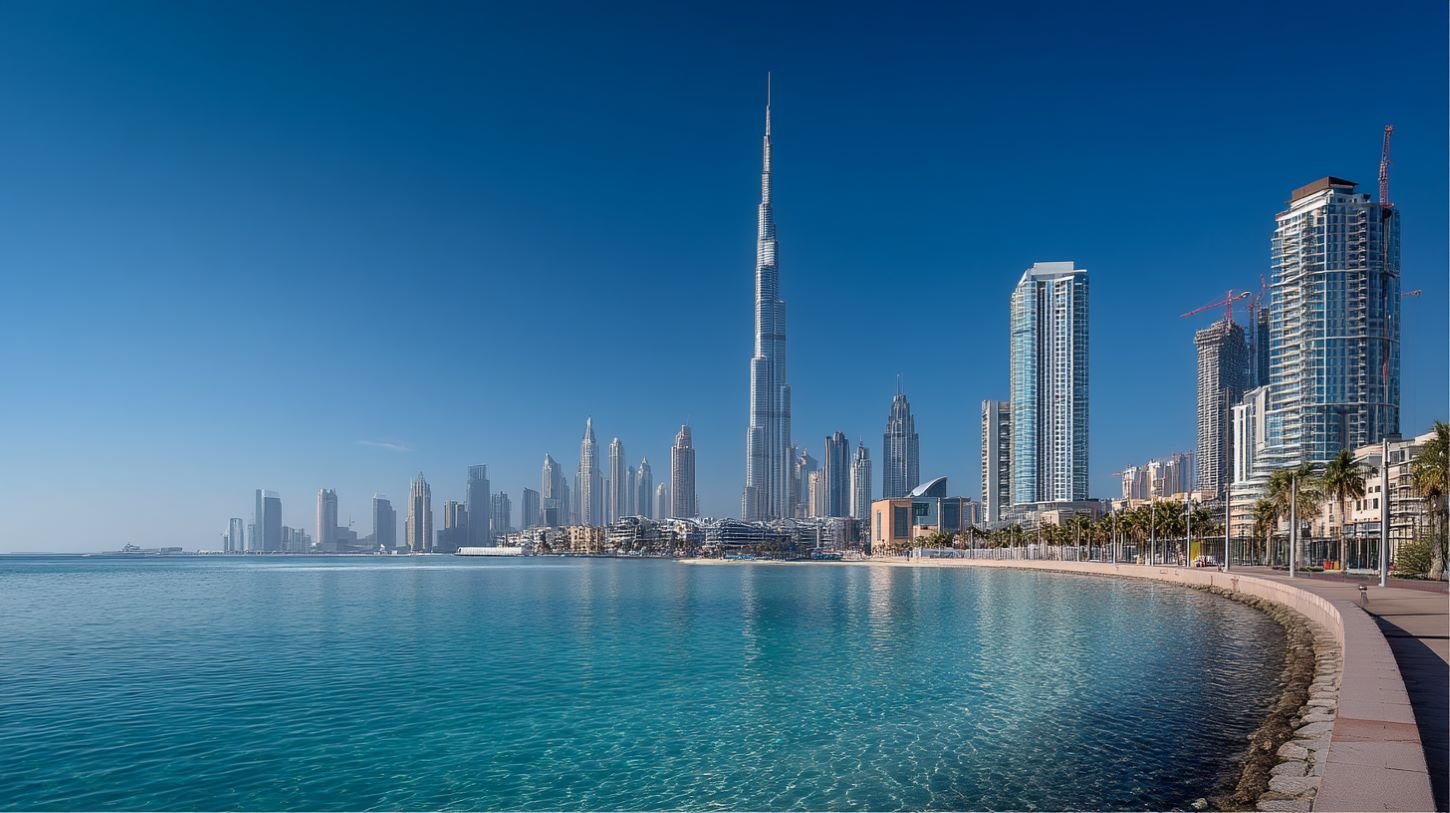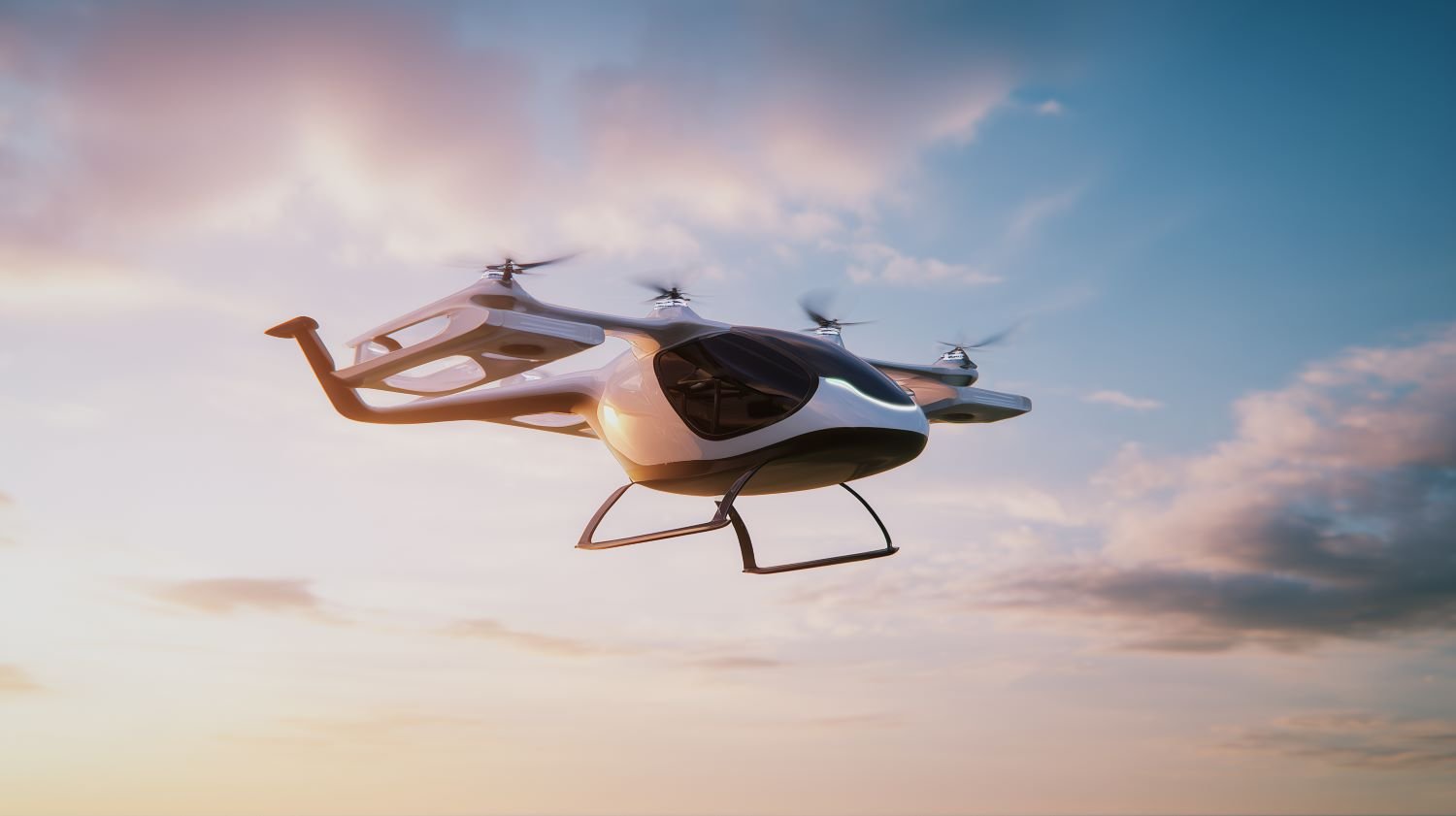


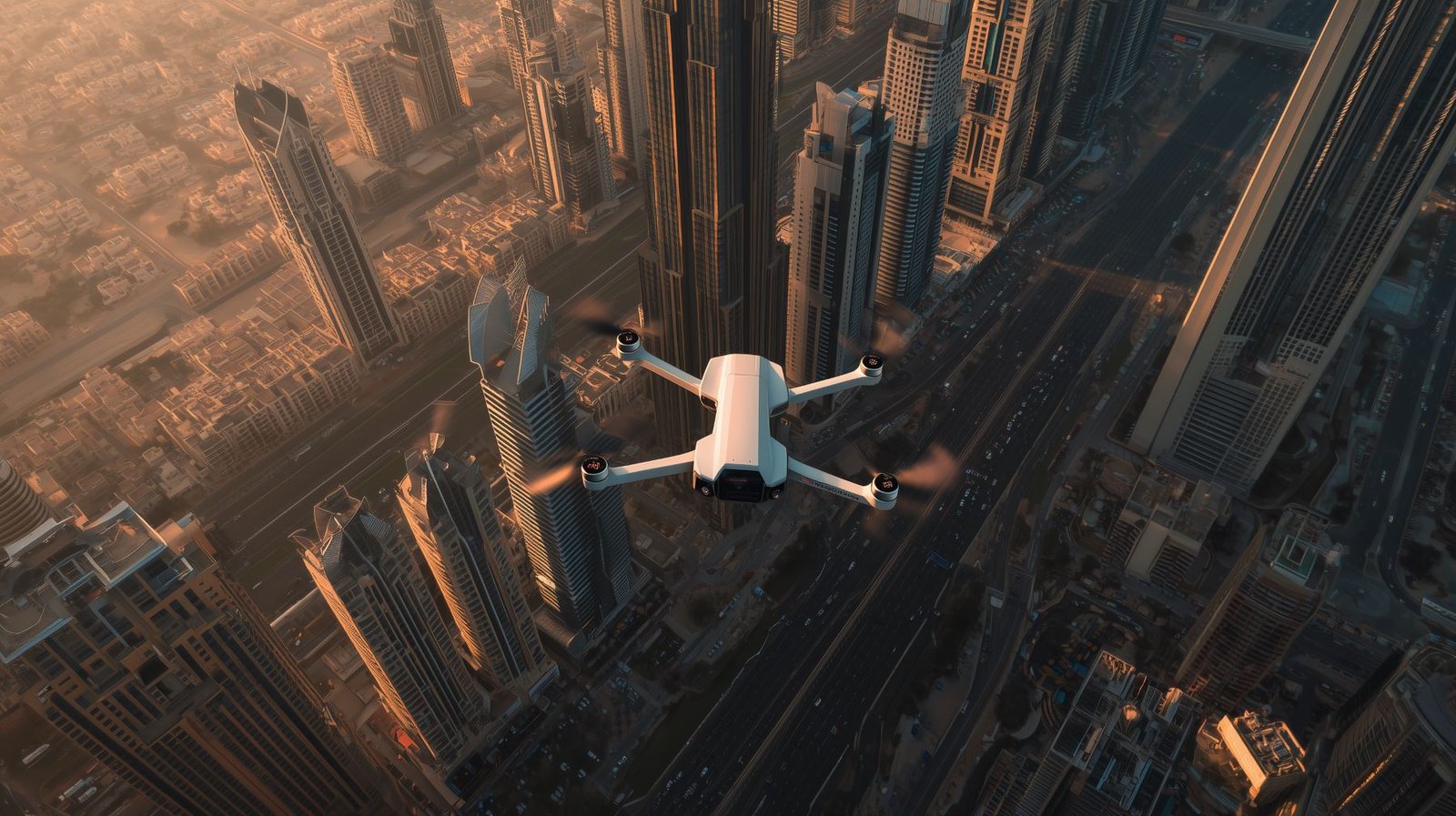
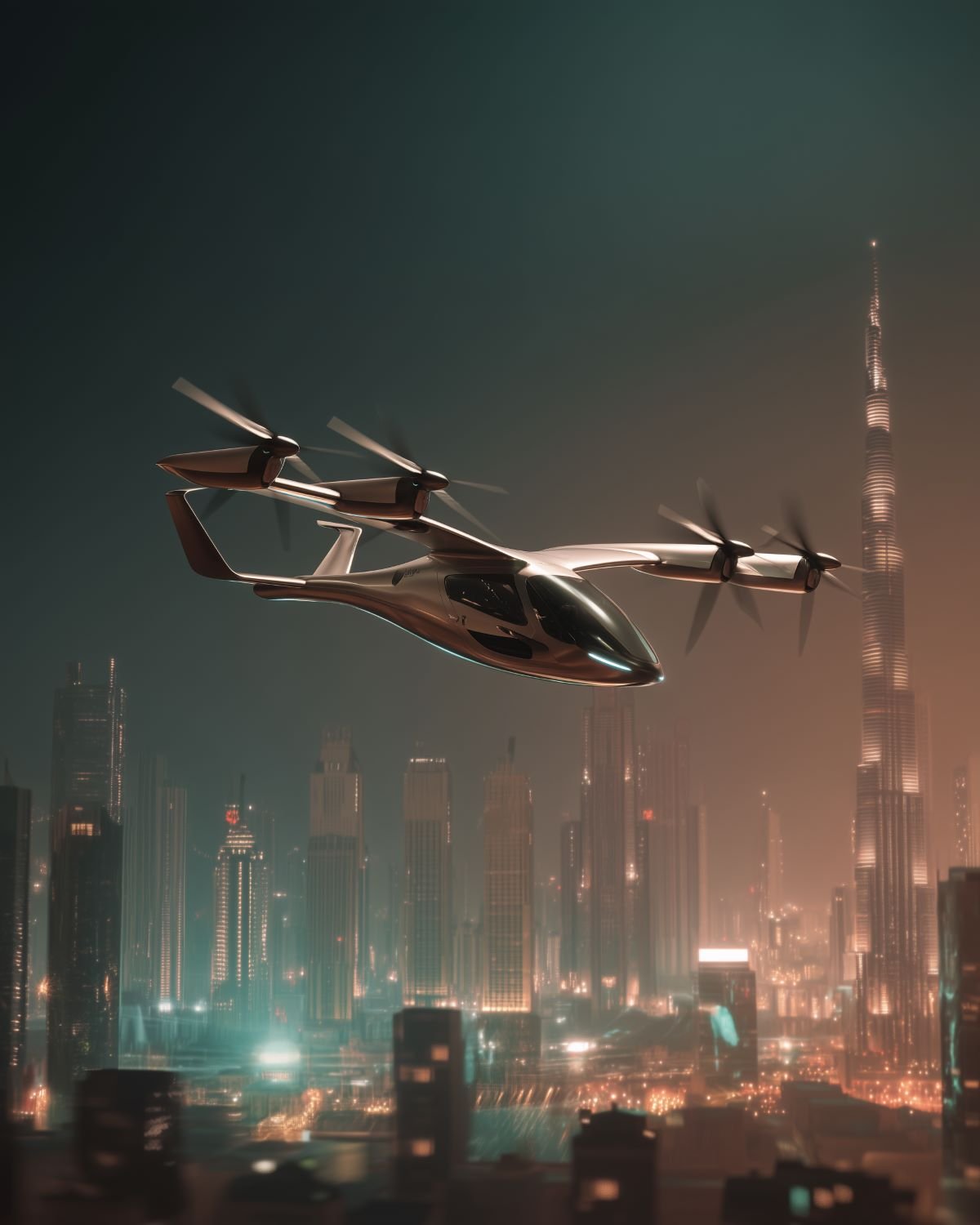
Dubai has never been a city that waits for the future to arrive. It builds it first. From artificial islands to autonomous metro lines, the emirate consistently invests in technologies that redefine how people move, live, and experience urban space. Aerial tourism is no exception. In the coming years, electric vertical take-off and landing aircraft, known as eVTOLs, are expected to reshape sightseeing flights, private transfers, and premium air mobility across Dubai.
While traditional helicopter tours remain the benchmark for panoramic experiences today, the emergence of eVTOL aircraft signals a new phase of aerial tourism focused on sustainability, efficiency, and seamless urban integration.
Aerial tourism in Dubai today
Helicopter sightseeing has long been one of Dubai’s most exclusive tourism experiences. Flying above landmarks such as Burj Khalifa, Palm Jumeirah, Atlantis, and the city’s coastline offers a perspective that ground-based tours simply cannot match. Modern helicopter operators focus on short scenic routes, private charters, business transfers, and tailor-made flights for special occasions.
Current helicopter tourism in Dubai is built around three key pillars:
-
Certified aircraft maintained under strict aviation regulations
-
Fixed and custom routes covering iconic landmarks
-
Premium service standards aimed at leisure and business travelers
These foundations will remain relevant, but they are now being complemented by a new technological layer.
What are eVTOL aircraft and why they matter
eVTOL stands for electric vertical take-off and landing. These aircraft use electric propulsion systems instead of traditional jet or turbine engines, allowing them to take off and land vertically like helicopters while operating with significantly lower noise and zero direct emissions.
Compared to conventional helicopters, eVTOL aircraft offer several strategic advantages:
-
Reduced noise levels, making them suitable for dense urban areas
-
Lower operational emissions aligned with sustainability goals
-
Simplified infrastructure requirements through compact vertiports
-
Short-range efficiency optimized for city routes
For a city like Dubai, where mobility innovation is part of long-term urban planning, these advantages are not theoretical. They are actively being implemented.
Dubai’s roadmap toward electric air mobility
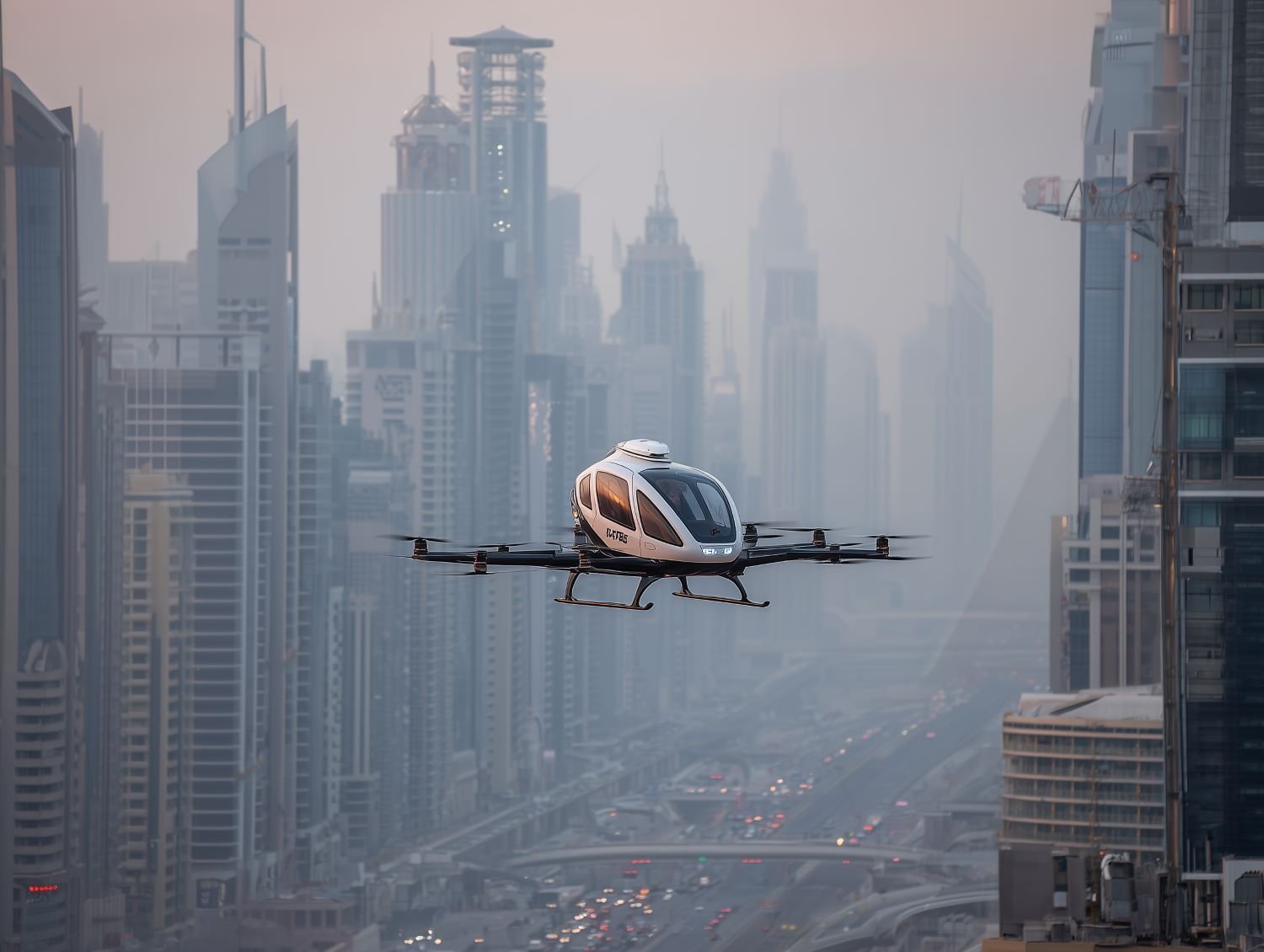
Dubai’s aviation and transport authorities have already taken concrete steps toward integrating electric air mobility into the city’s infrastructure. In 2025, Dubai-based helicopter operators announced plans to introduce electric sightseeing flights using new-generation eVTOL aircraft. Around the same period, fully electric air taxis completed successful test flights in the emirate, demonstrating the feasibility of short urban routes connecting major destinations.
Industry announcements point to commercial operations beginning as early as 2026, with dedicated vertiports under development near key tourism and business hubs. These locations are designed to complement existing heliports rather than replace them, creating a hybrid aerial ecosystem.
Dubai’s strategy is not about abandoning helicopters. It is about expanding options.
How eVTOLs will change sightseeing flights
The introduction of eVTOL aircraft will not eliminate traditional helicopter tours. Instead, it will diversify the aerial tourism market.
For sightseeing passengers, this means more choice. Short, quiet, low-emission flights may become ideal for urban panoramic loops, sunset routes, and transfers between iconic districts. Helicopters will continue to dominate longer scenic routes, offshore flights, and premium private charters where range and payload remain critical.
From a traveler’s perspective, future sightseeing options may include:
-
Compact eVTOL flights over central Dubai landmarks
-
Hybrid packages combining helicopters and electric aircraft
-
Faster point-to-point aerial transfers with minimal ground time
This layered approach allows operators to match aircraft type to mission profile, improving efficiency without compromising experience quality.
Sustainability as a competitive advantage
Sustainability is no longer a niche concern in tourism. It is a decision-making factor for a growing segment of travelers. Dubai’s broader development strategy places strong emphasis on renewable energy, carbon reduction, and environmentally responsible infrastructure.
Electric aerial mobility fits directly into this vision. While helicopters are becoming quieter and more efficient, eVTOL aircraft offer a clearer long-term path toward low-impact urban aviation. For aerial tourism operators, this creates new positioning opportunities.
Offering electric sightseeing flights allows brands to:
-
Align with Dubai’s sustainability goals
-
Appeal to environmentally conscious travelers
-
Operate in noise-sensitive zones more flexibly
In the competitive premium tourism market, these factors can become decisive differentiators.
Safety, regulation, and passenger confidence
One of the most common questions surrounding new aircraft technology is safety. In Dubai, aviation innovation moves only within tightly controlled regulatory frameworks. eVTOL aircraft undergo certification processes similar to traditional aircraft, covering airworthiness, pilot training, maintenance procedures, and operational standards.
Authorities are implementing phased rollouts, beginning with test flights, limited routes, and gradual scaling. This ensures that passenger confidence grows alongside operational maturity.
From a passenger standpoint, the experience will feel familiar. Professional pilots, controlled airspace, pre-flight briefings, and strict safety protocols remain central elements of any aerial tour, regardless of propulsion technology.
What this means for luxury travelers
For luxury travelers, the future of aerial tourism in Dubai is not about replacing exclusivity with novelty. It is about enhancing convenience, comfort, and choice.
Electric aircraft open new possibilities for discreet, efficient flights over urban landscapes, while helicopters continue to deliver the power and presence associated with traditional aerial luxury. Combined, they create a flexible ecosystem capable of serving tourists, executives, investors, and event clients alike.
In practical terms, this could mean:
-
Quieter flights during peak urban hours
-
Faster aerial access to new developments and islands
-
More personalized route planning across aircraft types
Dubai’s aerial tourism market is evolving toward precision rather than spectacle alone.
A new chapter for sightseeing in the sky
Dubai’s adoption of eVTOL technology marks a significant moment in the evolution of aerial tourism. The city is not simply adding new aircraft to its skyline. It is redefining how aerial experiences integrate with urban life, sustainability strategies, and luxury travel expectations.
Traditional helicopter tours will remain iconic. Electric aircraft will add a new dimension. Together, they represent a future where sightseeing from the sky becomes smarter, cleaner, and more adaptable.
For travelers looking ahead, the message is clear. The best views of Dubai are about to become quieter, more efficient, and more innovative than ever before.